

 By Sunshine Phillips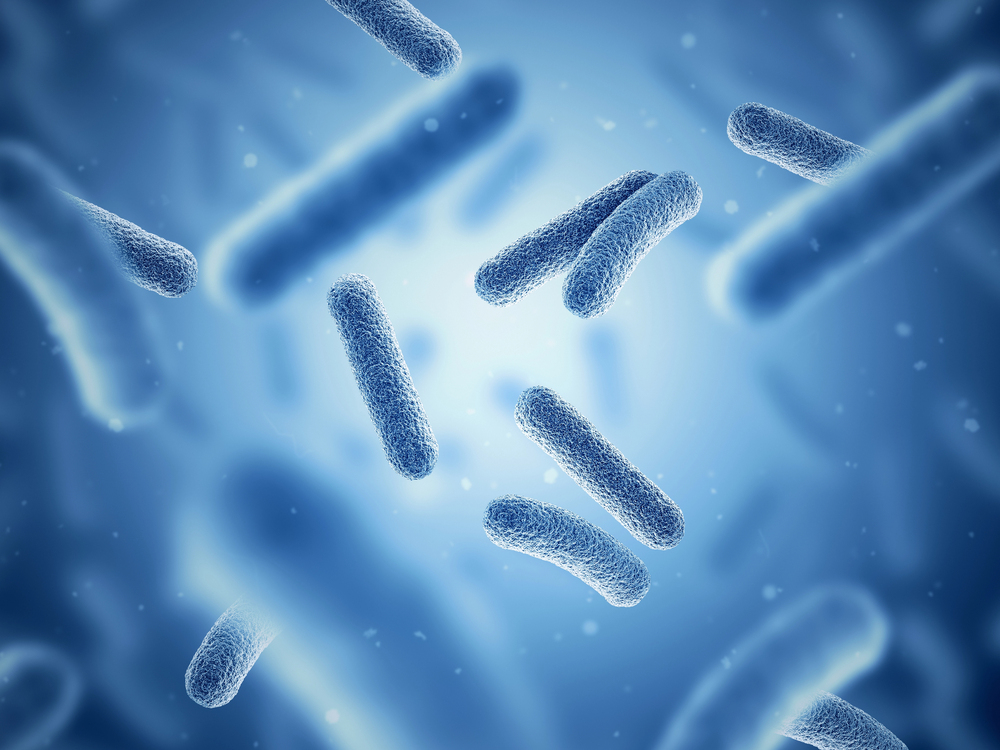
In recent years, oral health science has begun to shift its centre of gravity. Where dentistry once focused primarily on teeth as isolated structures and gum disease as a localised infection, a broader and more interconnected understanding has emerged. This is the microbiome revolution: the recognition that the mouth is not a sterile battlefield but a complex ecological system, deeply influenced by diet, lifestyle, environment, and systemic health.
In Australia, where preventive healthcare messaging is strong yet lifestyle-related chronic conditions remain widespread, this shift is particularly significant. Gum disease and oral malodour are no longer seen merely as hygiene issues. Instead, they are increasingly understood as signals of microbial imbalance—early warnings from an ecosystem under stress.
The mouth as an ecosystem, not a machine
The oral cavity hosts one of the most diverse microbial communities in the human body, second only to the gut. Hundreds of bacterial species coexist in a delicate equilibrium. In a balanced state, these microbes support digestion, protect against pathogens, and maintain gum integrity. But when disrupted—by high-sugar diets, smoking, poor sleep, stress, or certain medications—the balance shifts toward pathogenic species.
This imbalance, known as dysbiosis, is the foundation of periodontal disease. Plaque is not simply “dirt” on teeth; it is a structured biofilm, a living city of microbes communicating, adapting, and defending themselves. Once this biofilm matures unchecked beneath the gumline, inflammation escalates, leading to tissue breakdown and eventual tooth loss.
This is where modern dentistry in Australia has had to evolve. Traditional cleaning alone is no longer sufficient for many patients. Instead, clinicians increasingly rely on targeted periodontal treatments that address both the mechanical removal of biofilm and the biological drivers of inflammation. These include deep scaling and root planing, antimicrobial therapy, host-modulation strategies, and in advanced cases, regenerative procedures aimed at rebuilding lost periodontal structures.
Lifestyle as a microbial architect
What makes the microbiome perspective powerful is that it decentralises blame from “bad brushing” alone and instead highlights lifestyle as a continuous shaping force.
Diet is one of the strongest modulators. High intake of refined carbohydrates feeds acid-producing bacteria, lowering pH and favouring species associated with decay and gum inflammation. Conversely, diets rich in fibre, omega-3 fatty acids, and polyphenols—common in Mediterranean-style eating patterns increasingly adopted in parts of Australia—support microbial diversity and resilience.
Stress is another underestimated factor. Chronic stress elevates cortisol, which can suppress immune responses in the gums, allowing pathogenic bacteria to thrive. Sleep disruption compounds this effect, altering inflammatory markers and reducing tissue repair capacity.
Smoking remains one of the most destructive lifestyle factors. It does not simply stain teeth; it reshapes the oral microbiome, reduces blood flow to the gums, and masks early signs of disease by suppressing bleeding. In microbiome terms, it acts as a selective pressure that accelerates dysbiosis.
Halitosis: a microbial signal, not just a social inconvenience
Few oral conditions illustrate microbial imbalance more clearly than halitosis. While often treated as a cosmetic or social issue, persistent bad breath is frequently a biochemical by-product of microbial metabolism.
Certain anaerobic bacteria produce volatile sulfur compounds (VSCs), responsible for the characteristic odour associated with chronic halitosis. These bacteria thrive in low-oxygen environments such as deep gum pockets or coated tongue surfaces. In many cases, halitosis is not a standalone condition but a symptom of underlying periodontal disease or systemic imbalance.
Modern dental approaches increasingly treat halitosis as a diagnostic clue rather than an isolated complaint. Addressing it effectively often requires comprehensive assessment, including periodontal evaluation, saliva flow analysis, and microbial profiling. Once again, targeted periodontal treatments often play a central role, as reducing subgingival bacterial load can significantly decrease VSC production and restore microbial balance.
From intervention to ecological stewardship
The most profound change brought by microbiome science is philosophical rather than procedural. Dentistry is gradually shifting from a model of “repair after damage” to one of ecological stewardship—maintaining balance before disease becomes irreversible.
In Australia, this is reflected in growing emphasis on preventive care, patient education, and risk-based recall systems. Dentists are increasingly acting as microbial ecologists, helping patients understand how daily choices influence the invisible ecosystems within their mouths.
This includes practical guidance: improving brushing technique is still essential, but so is reducing frequent sugar exposure, managing dry mouth conditions, and supporting saliva production through hydration and diet. Saliva itself is a critical ecological regulator, buffering acids and supplying antimicrobial proteins that help maintain microbial harmony.
The systemic connection
Perhaps the most important insight of the microbiome revolution is that oral health is inseparable from systemic health. Periodontal inflammation has been associated in research with cardiovascular disease, diabetes, adverse pregnancy outcomes, and other inflammatory conditions. While causality is complex and still being studied, the consistent association underscores a key principle: the mouth is not isolated from the rest of the body.
This is why early intervention matters. Treating gum disease is not just about preserving teeth—it is about reducing chronic inflammatory burden across the entire system. In this context, halitosis can be seen as an early, accessible warning sign of deeper imbalance.
A new narrative for oral health in Australia
Australia’s dental future is likely to be shaped not only by new technologies such as AI diagnostics and digital imaging, but also by this ecological understanding of disease. The challenge is to translate microbiome science into everyday behaviour without overwhelming patients with complexity.
The goal is clarity: oral health is not about perfection, but balance. The mouth is a living ecosystem that responds dynamically to how we live. When disrupted, it signals distress through inflammation, decay, and halitosis. When supported, it becomes resilient, self-regulating, and protective.
In this evolving framework, periodontal treatments are not merely corrective procedures but part of a broader strategy to restore ecological equilibrium. Likewise, halitosis is no longer dismissed as a minor inconvenience but recognised as a meaningful indicator of microbial health.
The microbiome revolution ultimately reframes oral health as something far more profound than hygiene. It becomes a reflection of how we live, eat, sleep, and manage stress—a biological dialogue between human behaviour and microbial life, unfolding quietly every day within the mouth.