

 By Jane Harvey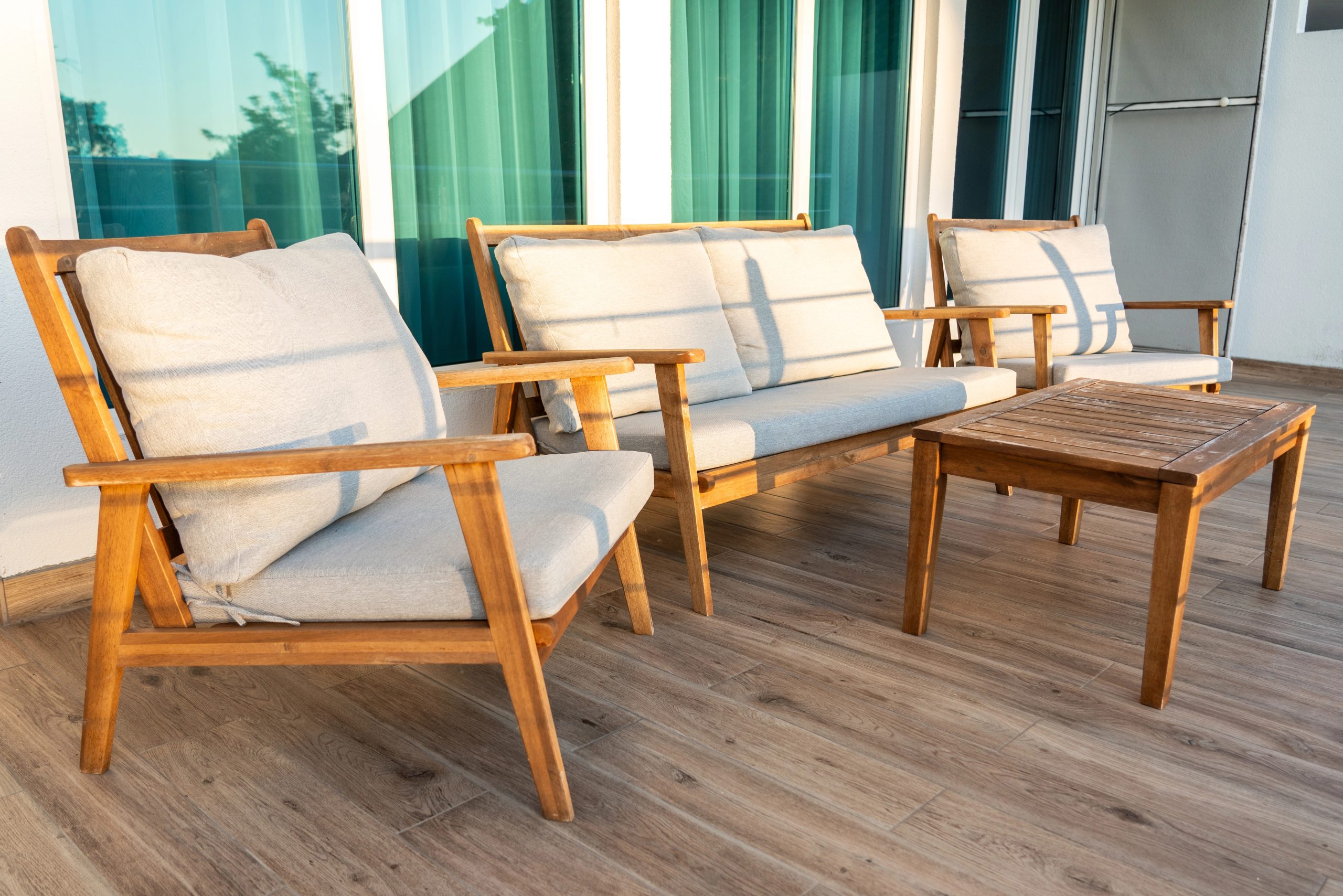
Sunshine streaming through windows can make any home feel bright and welcoming, but for your furniture, especially if it’s exposed day after day, prolonged sunlight isn’t always a friend. Many people assume that a little sunshine won’t do much harm, but over time ultraviolet (UV) rays and heat can cause significant issues for a range of materials—from wood and leather to fabrics and synthetics. For urban dwellers and beachside homeowners alike, understanding how sunlight affects furnishings helps preserve both appearance and structural integrity.
Why Sunshine Matters for Indoor Furniture
Sunlight contains UV radiation that can degrade surfaces on exposure. This isn’t just about aesthetics; it’s a chemical reaction that breaks down finishes, fibres and polymers. In climates with strong light year-round, even indirect sun can take a toll. For furniture placed near glass doors, skylights or bay windows, the effects can be gradual but very real: fading colours, dry surfaces and weakened joints become noticeable over months and years.
The Vulnerability of Wooden Furniture
Wood is a classic material prized for its warmth and natural beauty, but it’s also sensitive to environmental conditions. Intense, regular exposure to sunlight accelerates the breakdown of surface finishes like varnish, lacquer and oils. UV rays penetrate these protective layers and begin altering the underlying wood fibres, leading to dullness and discolouration.
Homes with wooden furniture in sunny Sydney often show these effects more quickly than similar pieces in cooler, cloudier regions. Sydney’s bright sunlight can dry wood surfaces, causing micro-cracks and, eventually, warping. This isn’t just an aesthetic issue—structural elements such as legs, frames and tabletop edges can shift if moisture content changes rapidly under heat stress.
Fading and Fabric Degradation
While wood ages visibly, fabrics tell a more obvious story of sun exposure. Upholstery that sits in direct light often shows uneven fading, particularly on bold colours like reds, blues and greens. Natural fibres like cotton and linen are especially prone to breakdown under UV stress, and even high-quality synthetic blends lose their vibrant hues over time.
Repeated heating and cooling cycles caused by daily sunlight exposure also weaken fibre bonds, which leads to thinning material and increased susceptibility to tears. Cushions and upholstered backs in bay windows or sun-soaked living areas may feel softer one season and noticeably worn the next.
Leather, Vinyl and Synthetic Materials
Leather furniture offers elegance and durability, but like wood, it’s significantly affected by sunlight and heat. UV rays dry out the natural oils in leather, resulting in stiffness, cracking and faded patches. Treating leather with conditioners can slow this process, but if pieces remain in direct sunshine longer term, deterioration is almost inevitable.
Vinyl and plastic laminates perform somewhat better, but they aren’t immune. Prolonged exposure can cause discolouration, brittleness and loss of flexibility, especially in lower-grade synthetics. Heat trapped by glass can exacerbate the problem, accelerating chemical changes in these materials.
Heat Effects: Beyond Fading
Sunlight doesn’t just carry UV—it brings heat, and repeated heat cycles can expand and contract furniture components. For solid wood, this means joints may loosen, tabletop surfaces can warp, and veneers might lift. Plywood, MDF and particleboard are especially susceptible to heat-induced deformation, because their composite layers expand at different rates.
Glass-covered rooms or sunrooms present a unique challenge: the greenhouse effect traps heat, raising internal temperatures and stressing materials that would otherwise tolerate exposure. Items that appear fine in the morning might show signs of stress by evening.
Preventive Steps to Protect Furniture
There are several practical ways to mitigate sun damage and extend the life of valuable pieces:
- Window treatments: Blinds, curtains, shades or UV-filtering films significantly reduce harmful rays entering your home without sacrificing light.
- Furniture repositioning: Moving pieces out of direct light or rotating them occasionally helps ensure one side isn’t always receiving the brunt of exposure.
- Protective covers and throws: Lightweight textiles can shield surfaces from direct sunlight while adding a decorative layer.
- Surface finishes and conditioners: Regular application of oils, waxes and UV-protectant sprays on wood and leather helps maintain moisture balance and slows degradation.
Thoughtful placement and protection can make a big difference, especially for heirloom pieces or high-end investments that you want to enjoy for decades.
Materials That Stand Up Better to Sun
Some materials naturally resist sun damage more than others. Dense hardwoods like teak and certain exotic species contain oils that provide a degree of UV resistance, making them popular choices for patio furniture and bright interiors alike. Outdoor-grade fabrics such as solution-dyed acrylics and UV-stabilised synthetics are engineered to keep their colour longer, even under strong light.
When selecting new furniture for bright rooms, consider lighter colours and matte finishes—they show fading less obviously than darker, glossy surfaces. Quality also matters: premium materials often include inherent UV stabilisers and stronger finishes.
Spotting Advanced Sun Damage
It’s one thing to see faded wood or lightened fabric; it’s another when damage begins affecting function. Key signs that sunlight exposure has progressed beyond cosmetic include:
- Cracks or splits in wood surfaces
- Warped edges or bowed panels
- Loose joints and gaps in frames
- Cracked, brittle leather
- Materials that feel dry or papery to the touch
Addressing these early with professional refinishing, re-upholstery or repair can save more costly restoration later.
Broader Considerations in Modern Living
As we adapt our homes to modern life, balancing aesthetics, comfort and technology becomes part of daily decision-making. Conversations about smart home controversies—including how devices collect data, impact privacy and interact with home networks—highlight the complexities of contemporary living spaces and how technology and design intersect.
 Sunshine Phillips